
The story behind the centre
Why The Project Hope exists
Written by Muhammad Farooq E Azam Awan, founder and clinical psychologist.
I trained as a clinical psychologist, and what drew me in was never the diagnosis. It was the question underneath it: why a person does what they do, what it is costing them, and what would have to change for life to get easier. A label answers almost none of that. It gives a family a word, and then leaves them holding it.
Potential is not something we put into a child. It is already there. Our work is to recognise it, understand what stands in its way, and build the conditions in which it can grow.
Muhammad Farooq E Azam Awan, Founder & CEO
What I kept seeing
My first real exposure to clinical practice was as an intern at Shifa International Hospital, sitting in on standardised assessments, intake evaluations and therapy sessions. Assessment teaches you something uncomfortable very quickly. By the time a family reaches a clinic, they have usually been worried for years. They have been told to wait and see. They have been told he will grow out of it. They have been passed between people who each saw one hour of their child and none of their life.
And they arrive exhausted. Not dramatic, not weeping, just tired in a way that has become ordinary to them. A mother who has stopped being invited places because outings end badly. A father who has stopped asking what the plan is because nobody has given him one. Parents who have been made to feel that their child’s difficulty is a verdict on their parenting, and who have started to believe it.
What they almost never have is a path. Nobody has sat down and said: this is what is happening, this is what we are going to do about it, this is what you can do at home tonight, and this is how we will know whether it is working. In the absence of that, families do what anyone would: they search, they ask, and they pay whoever answers.
The part that is hardest to say politely
Some of what families pay for is not good. I have met parents who had been attending sessions for a year with no written plan, no goals anyone could name, no measurement of any kind, and no one willing to say when it should end. I have met families sold packages of sessions in advance, and families told that progress was coming as long as they kept paying. When a parent is frightened and has no way to judge quality, they are extremely easy to take advantage of. That is not a rare failure of the field. It is a predictable one, and it is the reason this centre publishes what it does and measures what it promises.
Then there is the price. In this city, therapy is quietly treated as a luxury, something for families who can manage it. A child who needs intensive support may need five or six sessions a week, and at ordinary local rates that costs more in a month than most households earn. So parents ration it. They go fortnightly instead of twice a week, then monthly, then they stop and do not tell anyone why. Nobody records that as a treatment failure. It looks like a family who lost interest.
Hope is not a feeling you hand to a family. It is a path you show them, and then walk with them.
Muhammad Farooq E Azam Awan, Founder & CEO
What the classroom taught me
Later, as an Assistant Applied Behavior Analyst at Shifa Integrated HealthCare Technologies, the work became more specific: functional behavior assessments (FBAs), behavior intervention plans (BIPs), caregiver training, supervising junior therapists, and delivering services in clinical and community settings. Behavior analysis is unusually honest as a discipline. You write down what you expect to happen, you measure whether it did, and the data does not flatter you.
Then I taught. As a Special Educational Needs teacher at Beaconhouse, I wrote individualised education plans and ran ABA-informed support inside an ordinary classroom, and I saw the same children from the other side of the wall. A skill practised beautifully in a therapy room does not automatically survive a busy classroom, a bus journey, a shop, or a Sunday afternoon at home. If it only exists in the session, it is not yet a skill.
That is why I spent my MS research on family involvement in ABA and the generalisation of skills, and specifically on how caregiver stress moderates it. Put plainly: the people who decide whether therapy reaches real life are the family, and the family is the part of the system given the least help. We ask exhausted parents to be co-therapists and then send them home with nothing.
Seen from the hospital, the clinic and the classroom in turn, the same gap kept appearing. Therapy in one building. School in another. The family carrying information between them, usually while paying for both. Professional training somewhere else entirely, so the standard of care in the room depends on where a practitioner happened to study. Every part can be done well and the whole can still fail a child.
What we set out to build
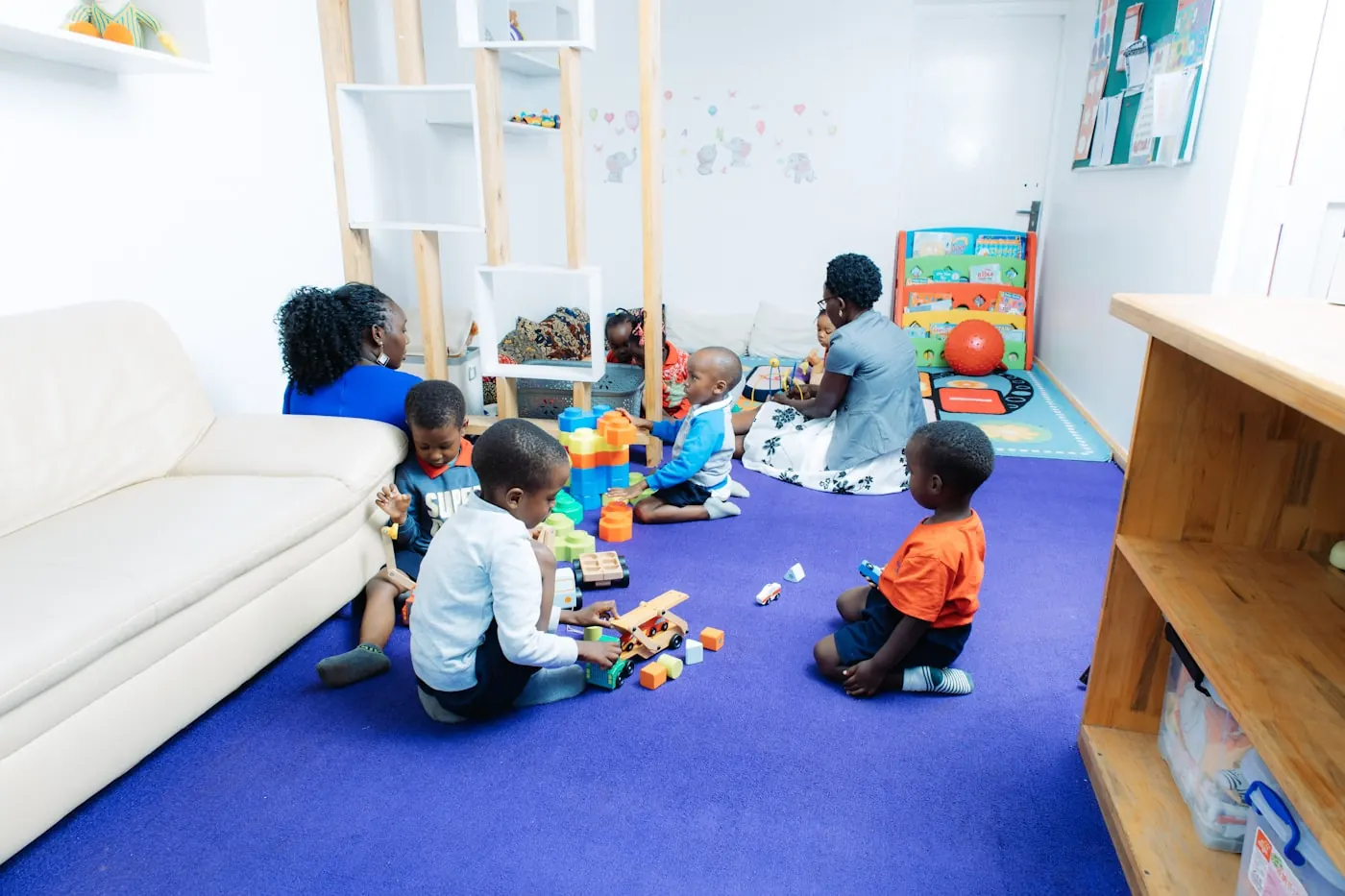
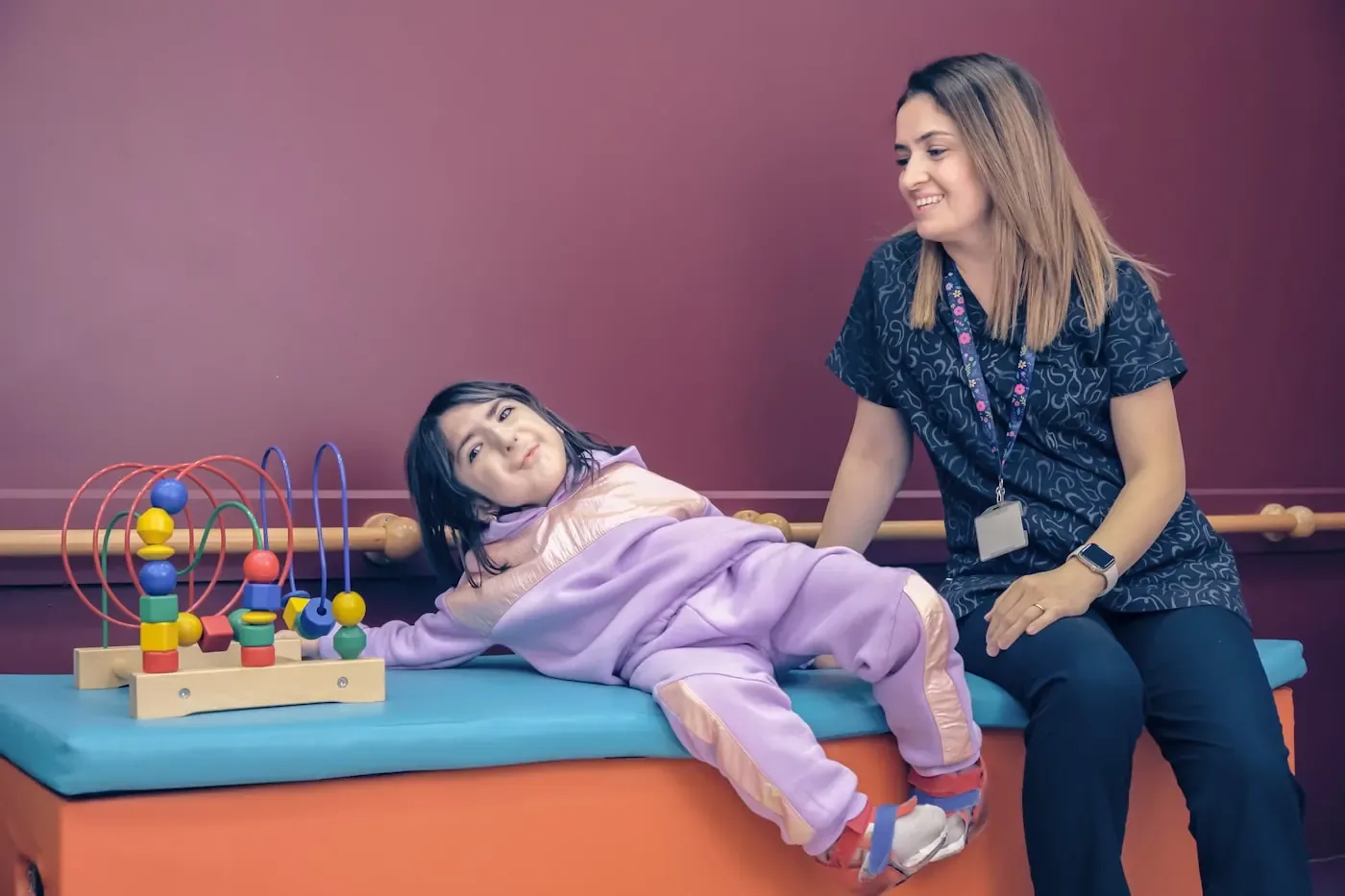
The Project Hope opened in August 2025 around one idea: that therapy, education, family support and professional training should sit in one place and answer to each other. A goal set in a session should appear in the classroom that week. A parent should be taught the strategy, not merely told the outcome. And nobody should have to leave the country to be trained properly.
It is also why a number of places here are funded rather than charged for: therapy or schooling, whichever a child needs, awarded on need. Alongside that we run free camps, and the first conversation costs nothing, including when the honest answer is that we are not the right service. Progress in this work is cumulative. A family who runs out of money before it has finished is not failing; they are being failed by arithmetic.
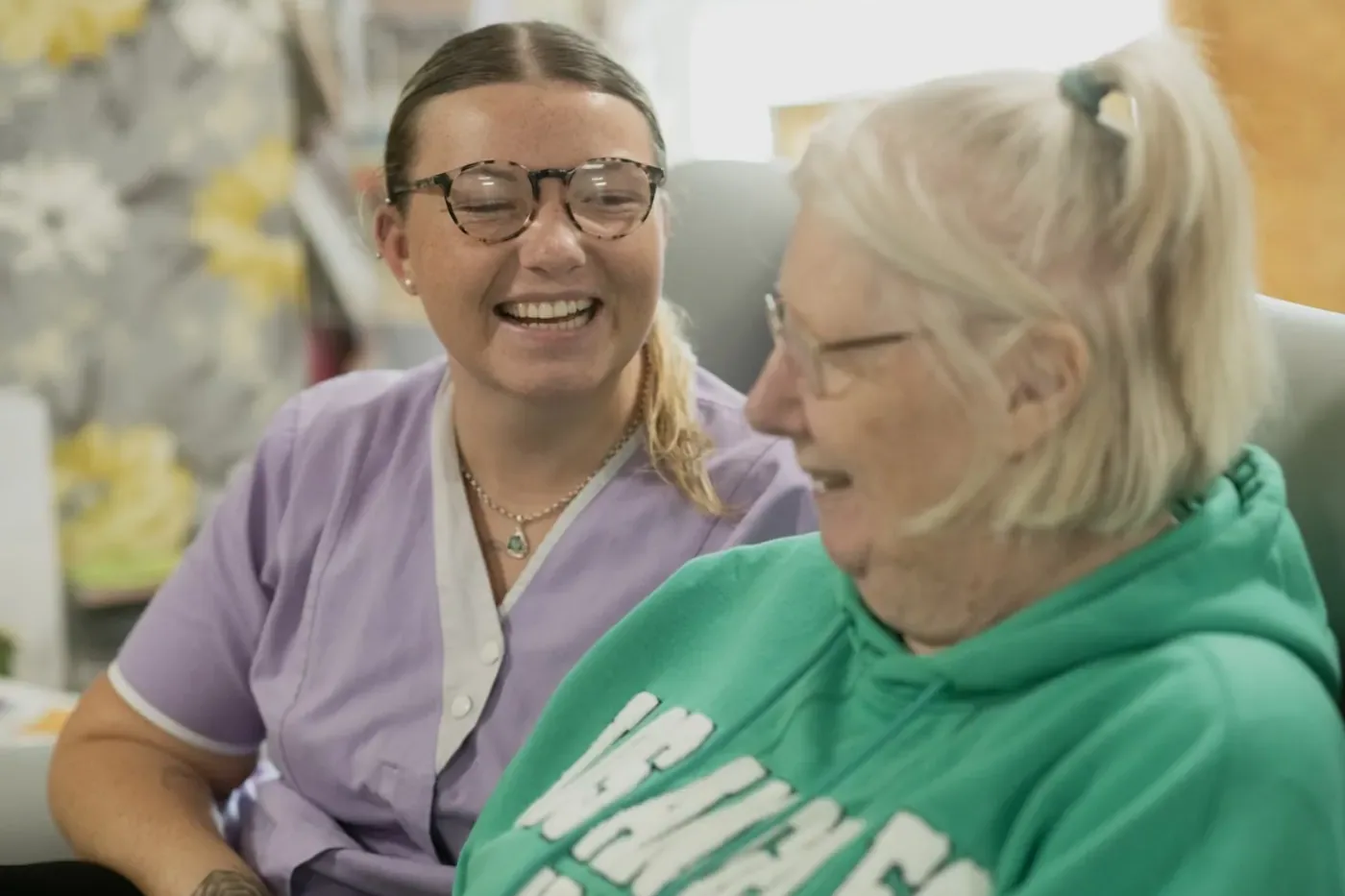
And this was never only about autism. I am a clinical psychologist before I am anything else. We work across mental health more broadly: children and adults, developmental needs, behavioural and educational support, and older people whose services stopped decades ago. Need does not organise itself by diagnosis, and a centre should not either.
Families arrive looking for hope. What they should find is a home, where healing and growth sit under one roof, and neither carries a price a family cannot pay.
Muhammad Farooq E Azam Awan, Founder & CEO
We are early, and I would rather say that than pretend otherwise. What I can tell you is what we are working towards: not simply to deliver services, but to help build something in which a child’s progress does not depend on which door their family happened to knock on first, or on what that door charged them.